At Some Point You Have to Be Definitive
By Jesse Shuter

On August 26, 2020, the Milwaukee Bucks said that enough was enough. In the months prior the NBA had had many long, meaningful conversations about if they could proceed with their 2020 season, and if so, how could it be done. The first obstacle was coronavirus, however, the global pandemic paled in comparison to the next hurdle.
George Floyd was murdered by a police officer, adding another name to a list far too long of victims like him. The whole world took notice, but it wasn’t until the NBA players put their foot down that the situation really began to unfold. Floyd sparked the conversation, but after long deliberations, the NBA forged through with their season in an isolated bubble format for the safety of the players. It wasn’t until Jacob Blake was shot that the players decided the world wasn’t learning fast enough.
It had long been discussed if their playing the game was a distraction for people to forget the social issues and enjoy their time, or players, people with loud voices taking advantage of a platform that few others have. They agreed on the latter, but what good was this platform if when they needed it they didn’t use it, and just like that the strike was underway. Throughout the week the sports world dominoes began to fall with other leagues following the NBA’s lead.
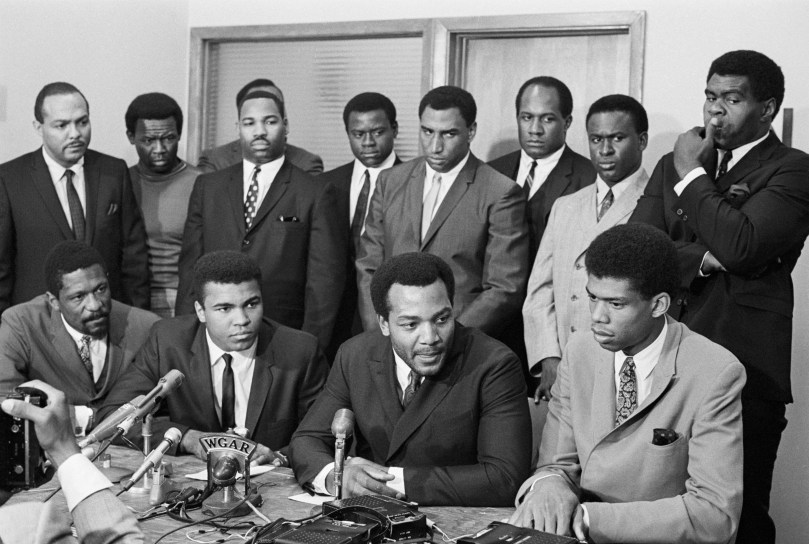
The issue is that these horrible events are not the first of their kind and due to lack of action they may not be the last. Journalist and NBA Hall-of-Famer Kareem Abdul-Jabbar touched on this in an interview with CBS. “Think about this: nothing has changed since what was supposed to be a routine traffic stop of Rodney King. That was 30 years ago. And still, nothing has changed. White cops still can act with impunity and kill people that they feel like they want to kill. It’s got to stop someplace,” said Abdul-Jabbar.
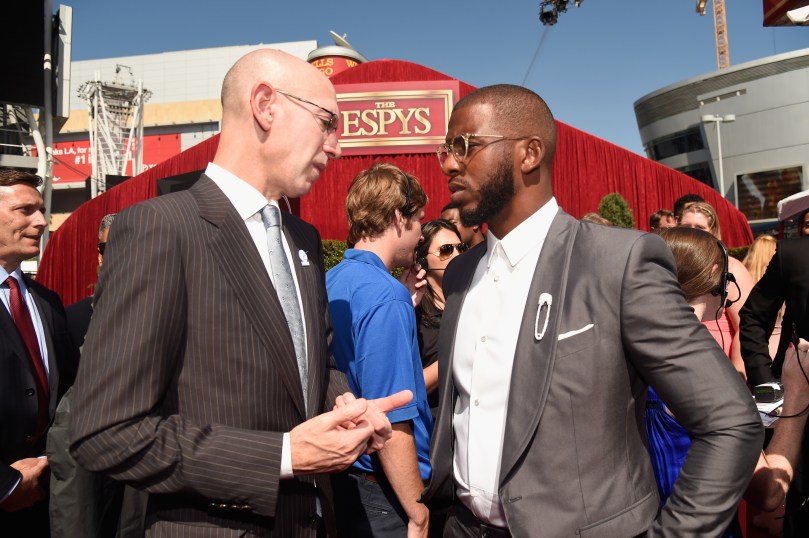
For NBA All-Star and head of the NBA Player’s Association, Chris Paul, these discussions were long overdue. Paul was instrumental in making a season happen, and in helping the players find creative ways to get their messages across, like having powerful messages on the backs of jerseys. “if we are going to play we want our messages to be loud, it’s not like we are just going to forget about everything,” said Paul. “You don’t get to say, ‘I kind of feel this way, I kind of feel that way’. At some point, you have to be definitive and that’s what happens when you’re in leadership positions”.
Paul explained the whole bubble started because of COVID, but it grew into what it was because of George Floyd and Jacob Blake. He also stressed that the only answer is communication. When he first heard about the situation with Blake and the strike he felt very overwhelmed. “You’re like man, I’m trying to be the best player I can but I’m not okay with what’s happening,” said Paul. Paul explained that up until that point there had been constant meetings, but via zoom and other chat devices. After the strike, it was time for a face-to-face, put it all on the table conversation between players and coaches. They worked out how they would proceed.

For Paul now, it is about the lasting impact this bubble made. The conversations cannot stop, and real steps need to be taken. The first is that just this month it was announced that for the first time over 90% of NBA players are registered to vote. In the past two elections, the number of players voting was only about 20%.
Thanks to leaders like Paul who are not afraid to have the tough conversations, and know how to get everyone involved, from rookies to superstars to bench players, the future for social justice looks brighter than ever. However, that doesn’t mean there is not still a long road of work to be done. Other leagues and even governing bodies need to take notice and follow suit, because as Paul said: at some point, it’s time to be definitive and take a stand.
 Jesse Shuter